Professional Tire Work: Return to the Road Safely and Quickly
Professional tire repairs play a crucial role in assuring vehicle protection and operation. Skilled technicians perform in-depth inspections to pinpoint different tire concerns. From punctures to alignment issues, every concern requires thorough consideration. Knowing when to get professional support can prevent additional issues. As drivers manage these obstacles, they might ponder about the optimal fix options and care routines. Looking into these matters can result in wise choices and safer travels moving forward.
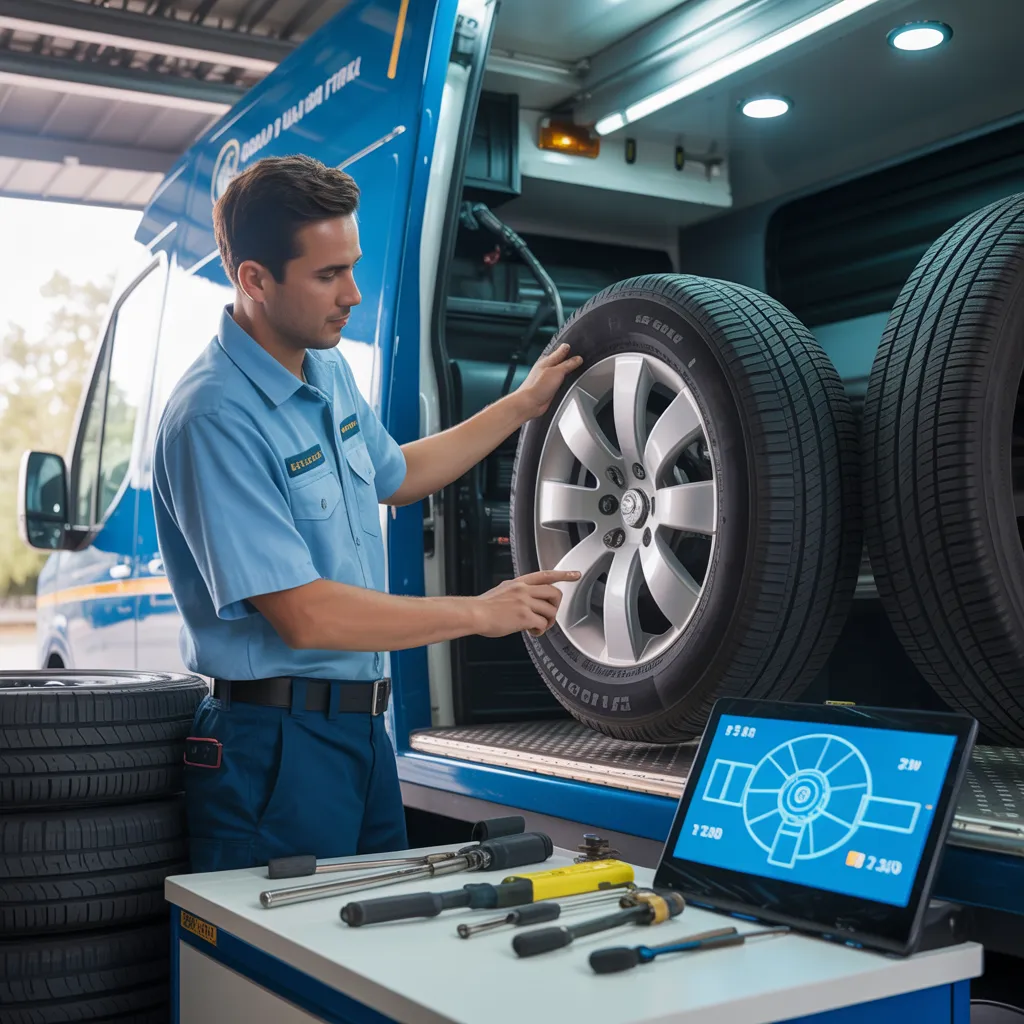
Common Tire Issues to Know
When motorists fail to check their tires, they may experience several common issues that can compromise safety and performance. One frequent occurrence is underinflation, which can cause increased tire wear and reduced fuel efficiency. Over time, this can cause the tires to overheat, boosting the risk of a blowout. Another common problem is tread wear, which impacts traction and handling, particularly in wet conditions. Uneven wear may indicate alignment or suspension issues, necessitating further inspection. Additionally, drivers may face punctures or sidewall damage from road hazards, causing slow leaks or complete tire failure. Routine tire maintenance including rotations and inspections with correct inflation are essential for preventing these issues. Finally, climate effects can also cause tire degradation, making it essential for drivers to stay vigilant about their tire health. By identifying these common problems, drivers can boost their safety on the road.
Knowing When Your Tires Require Work: How to Tell?
constant requirement for topping up also shows that repairs may be necessary.
Motorists should be mindful of handling and performance changes, such as shudders or pulling to one side, which could point toward tire imbalances or internal damage. Lastly, regularly assessing tread depth is vital; tires with bald or worn areas compromise traction. By observing these signs, drivers can confirm timely repairs, enhancing both safety and vehicle lifespan. Quickly addressing these issues not only prevents potential accidents but also saves on more costly repairs later.
What You Should Understand About the Tire Restoration Process
The tire repair procedure typically includes several key phases to guarantee safety and efficiency. Initially, a technician examines the tire for visible damage and evaluates its general condition. This inspection helps decide whether the tire can be repaired or requires replacement. Following the inspection, the technician may remove the tire from the wheel to locate punctures or internal damage.
Once any problems are found, the specialist cleans the affected section and readies it for repair. This may involve installing a seal or plug, based on the nature and position of the harm. After the repair is finished, the tire is remounted and correctly filled to the manufacturer's requirements.
Finally, a quality control review establishes that the repair fulfills safety criteria. Throughout the process, technicians value communication, advising the customer of findings and proposals. This structured approach promises a reliable repair, allowing travelers to proceed to the road with trust.
Self-Service Tire Options in Comparison to Professional Help
Upon understanding the tire restoration procedure, many drivers may consider whether to tackle fixes independently or get expert support. DIY tire fixes can be attractive, particularly for those with fundamental technical expertise and implements. Easy holes can often be mended using repair kits available at auto supply stores, saving both time and money. However, this approach carries dangers if proper methods are not applied, potentially creating further deterioration or safety concerns.
Conversely, professional tire repair services supply specialized knowledge and advanced tools. Trained technicians can precisely assess tire deterioration, making sure repairs prove effective and sound. They can also uncover underlying problems that a DIY approach might fail to notice. Ultimately, the choice between do-it-yourself repairs and expert help is based on the operator's assurance, experience, and severity of tire damage. Establishing a thoughtful choice is essential for keeping yourself safe on the road.
Steps for Choosing the Finest Tire Repair Service
What can motorists do to guarantee they decide on the best tire repair option? First, they should survey community options, highlighting customer opinions and ratings. This information supplies insight into the service quality and reliability of various shops. Next, examining for licenses and associations with prominent automotive organizations can indicate diligence and expertise.
Furthermore, operators should ask about the varieties of repairs available, confirming the service can tackle their unique tire concerns. Pricing transparency is also important; reputable businesses deliver detailed estimates without surprise fees.
In addition, analyzing the shop's warranty policies on repairs can present comfort. Finally, location accessibility counts—nearness to home or work, as well as available hours, can sway the selection process. By taking into account these factors, drivers can assuredly select a auto repair service that meets their needs successfully.
Positive outcomes of Standard Tire Service
Regular tire upkeep offers numerous advantages that prolong the life span and functionality of tires. By regularly inspecting tire pressure, tread depth, and overall condition, vehicle owners can ensure ideal traction and control. Correct air pressure decreases deterioration, enhancing fuel efficiency and reducing costs at the pump. In addition, regular inspections can help identify problems such as uneven wear or damage, enabling for timely repairs that prevent greater issues down the road.
Maintaining wheel tires also boosts guide safety by minimizing the chance of blowouts or accidents due to damaged tread. Also, a well-kept set of tires results in a smoother ride, enhancing comfort for both the driver and passengers. When individuals devote time to regular tire care, they can increase the value of their investment, ensuring reliable performance and peace of mind during driving. In conclusion, regular tire maintenance is a vital part of responsible vehicle ownership.
Advice on Preventing Future Tire Problems
Maintaining tires actively can markedly lessen the likelihood of forthcoming problems. Often assessing tire pressure is vital; underinflation can bring about premature wear and reduced fuel efficiency. It is suggested to inspect tires for visible wear, such as cuts or bulges, which may denote structural issues. Rotating tires every 5,000 to 8,000 miles helps confirm balanced wear, extending their lifespan.
In addition, keeping proper alignment and balance is important to avoid uneven tread wear. Drivers should also check tread depth, using the penny test as a practical method; if Lincoln's head is visible, it's time for a new tire. Finally, preventing overloading the vehicle can minimize excessive strain on tires. By utilizing these methods, vehicle owners can enhance tire lifespan and promote a safer driving experience.

Often Requested Questions
How much time does a typical tire fix require?
A standard tire fix typically requires 30 minutes to an hour depending on the severity of damage and the specific repair required. Factors like technician availability and workshop volume can also influence the duration.
Do All Tire Models Permit Restoration?
Certain tire types are beyond repair. Generally speaking, punctures within the tread area in passenger tires could be repairable, though sidewall damage, severe wear, or tires featuring several repairs typically necessitate new tires to guarantee safety.
What Is the Cost of Tire Repairs?
The cost of tire repairs usually falls from $10 to $30, depending on the wear and area. Elements such as tire type and repair shop may influence the final cost, making it variable.
Is Tire Repair Included in Insurance Coverage?
Tire damage coverage differs depending on which insurance plan you have. Various policies feature on-road help or repair expenses, while others do not cover these services. It's essential for individuals to look over their individual coverage terms to understand their coverage regarding tire repairs.
What Ways Can Help Me to Extend My Tire's Lifespan?
To enhance a tire's service duration, planned care is essential. This features maintaining proper tire pressure, switching tire positions often, ensuring proper alignment, preventing excess loading, and watching tread wear for signs of wear or damage.